


Tabla de Contenido
The allure of chance and uncertainty
The thrill of chance is a fundamental aspect of casino games that captivates players. This unpredictability triggers a rush of adrenaline, as individuals stake their money on outcomes that are inherently uncertain. The psychological response to this uncertainty can create a powerful emotional experience, where players feel both anxious and excited. For those interested in exploring different gaming options, the 11 dollar neosurf casino offers a unique experience that enhances the excitement. This dichotomy fuels their desire to engage in games repeatedly, as they seek the exhilarating highs associated with potential wins, while simultaneously battling the lows that come with losses.
Moreover, the uncertainty involved can lead players to develop superstitions and rituals. Many gamblers believe that certain behaviors or actions can influence the outcomes of games, from wearing lucky clothing to performing specific routines before placing their bets. This tendency highlights a deeper psychological phenomenon known as the «illusion of control,» where individuals mistakenly feel they can influence random events. Such beliefs can heighten the emotional stakes, making the experience more engaging and thrilling, even if they have no real impact on the outcome.
This interplay between chance and psychology also plays a significant role in the design of casino games. Game developers understand the importance of unpredictability and often incorporate features that enhance the thrill of chance. This can include random number generators, unpredictable payout structures, and highly dynamic game environments. Each of these elements is designed to evoke an emotional response, ensuring that players remain engaged and invested in the outcome, reinforcing the cycle of play that casinos rely upon for their success.
The role of reward mechanisms
Reward mechanisms are a core component of the psychological allure of casino games. Every win, no matter how small, stimulates the brain’s reward system, releasing dopamine and creating feelings of pleasure. This chemical reaction is similar to what is experienced in other rewarding activities, such as eating food or receiving praise. As players engage with games, the intermittent nature of rewards—where wins are unpredictable and spaced out—can lead to a cycle of reinforcement that keeps them coming back for more.
The concept of variable ratio reinforcement is particularly relevant in casinos. This principle, which derives from behavioral psychology, suggests that rewards given after an unpredictable number of attempts are particularly motivating. Players may not know when they will win again, but this uncertainty creates a compulsion to keep playing. Slots and other games that provide intermittent rewards perfectly encapsulate this concept, as players become hooked on the possibility of the next big win.
Additionally, the design elements of games are often strategically crafted to maximize these reward responses. Visual and auditory stimuli, such as flashing lights and celebratory sounds, can enhance the emotional experience of winning. By creating an environment that amplifies these feelings of reward and excitement, casinos are able to encourage prolonged engagement from players, who may find it difficult to step away from the gaming experience even when they face significant losses.
The social dynamics of gambling
The social dimension of casino gaming significantly influences player behavior. Many individuals participate in casino games not just for the chance to win money but also for the social interactions and community they foster. Gambling often occurs in group settings, such as at table games or in poker rooms, where players share their experiences and emotions. This social aspect can enhance enjoyment and make the gaming experience more memorable, encouraging players to return for the camaraderie as much as for the gambling itself.
Moreover, social validation plays a crucial role in shaping gambling behavior. Players may feel pressure to conform to the norms and expectations of their peers, leading to increased betting or a willingness to engage in riskier behaviors. The presence of other players can amplify emotions, creating an environment where individuals feel encouraged to take more significant risks in hopes of impressing others or enhancing their social standing within the gaming group.
This social interaction also impacts decision-making processes. Players may alter their strategies or betting behavior in response to the actions of those around them. The phenomenon of «peer influence» can lead to heightened excitement and pressure, as players may find themselves caught up in the enthusiasm of a winning streak, even when they should be exercising caution. This interdependent relationship between individual desires and social interactions underscores the complexity of gambling psychology.
Emotional highs and lows of gambling
The emotional journey experienced during gambling can be tumultuous, characterized by highs and lows that challenge psychological well-being. Winning evokes feelings of joy and elation, creating a state of euphoria that can be addictive. Conversely, losing can trigger frustration, disappointment, and even despair. The contrast between these feelings creates an emotional roller coaster, which many players find both captivating and dangerous, as they chase the highs while trying to avoid the lows.
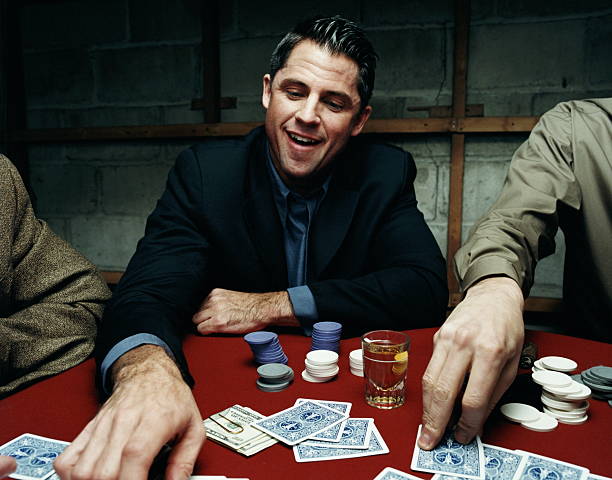
This emotional landscape is often a significant factor in the development of gambling addiction. Individuals may become so accustomed to the highs associated with winning that they develop a compulsive need to gamble, despite the negative consequences. This cycle can lead to financial ruin, strained relationships, and deteriorating mental health. Understanding this emotional aspect of gambling is crucial for developing effective interventions and support systems for those affected by gambling addiction.
Moreover, the emotional highs and lows associated with gambling can be exacerbated by the casino environment itself. Bright lights, loud noises, and the presence of other players can create an atmosphere of excitement that heightens emotional responses. This environment can make it challenging for players to remain rational and objective about their gambling behavior, feeding into a cycle where they become more invested in the outcome, regardless of the toll it may take on their psyche or finances.
Understanding the implications for responsible gaming
The psychology behind casino games holds significant implications for promoting responsible gaming practices. Recognizing the emotional triggers and cognitive biases inherent in gambling can aid individuals in making informed choices. Awareness campaigns that educate players about the psychological elements of gambling can empower them to recognize risks and maintain control over their behavior. Such initiatives are crucial in creating a balanced perspective on gaming, allowing individuals to enjoy the entertainment aspect without succumbing to unhealthy habits.
Furthermore, casinos have a responsibility to incorporate responsible gaming measures into their operations. This can include providing resources for self-assessment, access to support services, and implementing strategies to discourage excessive play. By acknowledging the psychological dynamics at play, casinos can create a safer environment for players, fostering a culture that prioritizes enjoyment over exploitation and ensuring that the gaming experience remains a form of healthy entertainment.
Finally, the integration of technology in gaming can offer innovative solutions to enhance responsible gaming efforts. For example, apps and online platforms can help individuals track their gambling behavior, set limits, and receive alerts when they exceed their predetermined boundaries. By prioritizing psychological well-being, the industry can support players in achieving a sustainable and enjoyable gaming experience without compromising their mental health or financial stability.

 Cargando...
